
What Solopreneurs Can Learn from Gymshark’s Go-to-Market Playbook
Most brands try to buy attention. Gymshark built a $1.45B empire by earning it.
Founded in 2012 in a garage by teenager Ben Francis, Gymshark didn’t win by outspending Nike or Adidas. They won by out-creating them—turning influencers into athletes, community into currency, and content into the engine of compounding growth. Paid ads? They used them, sure—but only as fuel for what was already catching fire.
While competitors were burning through ad budgets, Gymshark was building content people actually searched for, shared, and showed up for. That’s the difference between hype and a flywheel.
In this breakdown, we’ll dissect how Gymshark went from garage startup to global powerhouse in just over a decade—and, more importantly, how you can steal their playbook and start applying it today.
Garage to Global — The Fast Growth Timeline
In 2012, Ben Francis wasn’t a founder with investors or a roadmap—he was a teenager stitching gym clothes in his parents’ garage. Fast forward to 2025: Gymshark is valued at $1.45 billion.
The real turning point? The 2013 BodyPower Expo. While legacy brands rolled out sterile booths and glossy displays, Gymshark rolled in with creators like Lex Griffin, Steve Cook, and Nikki Blackketter—athletes who were already embedded in the fitness culture. They weren’t paid mouthpieces; they were real people with real followings who wore Gymshark because it felt authentic.
The effect was explosive. Not a 48-hour viral blip, but the kind of organic buzz that turns heads, builds waitlists, and cements a brand inside a community.
And Gymshark didn’t let it fade. They turned that moment into a system: fast-cycle product launches built on community feedback, limited drops that created genuine scarcity, and a marketing engine that always started with the people living the lifestyle—not a boardroom strategy deck.
The solopreneur steal: Your breakthrough won’t come from a clever ad hack. It’ll come from embedding yourself in the community you serve—and letting them pull your brand forward.
The Content Flywheel — How Gymshark Built a Machine That Compounds
Most brands are still debating whether to chase TikTok trends or double down on Instagram. Gymshark skipped the debate and built something more powerful: a content ecosystem that feeds itself. Every piece of content fueled the next, creating a flywheel of compounding growth.
Creator-Led Marketing (Before It Was Cool)
Those early partnerships with Lex Griffin, Steve Cook, and Nikki Blackketter weren’t just influencer shoutouts. Gymshark called them “athletes,” but really, they were ambassadors living the lifestyle and bringing their audiences with them. By 2023, the network had grown to 125+ creators, driving more than 30% of Gymshark’s social-driven revenue.
The solopreneur steal: Don’t rent billboards disguised as influencers. Build long-term partnerships with creators whose audiences trust them. Authenticity scales better than follower counts.
Content Systems That Compound
Here’s where Gymshark played chess while everyone else played algorithm roulette. Instead of random posting, they built repeatable systems across every major channel:
- Instagram (7.7M+ followers): Athlete-driven content, customer transformations, and workouts worth saving—not just polished product shots.
- TikTok (4.3M+ followers): They didn’t just hop on trends, they created them. The “66 Days: Change Your Life” challenge alone drove 200M+ views.
- YouTube (long-form depth): Series like Gymshark Lifts gave the brand authority and loyalty beyond 15-second clips.
- Blog (Gymshark Central): Ranking for 356K keywords and pulling in 1.5M organic visits monthly (Ahrefs, 2025). An SEO gold mine powering the entire funnel.
The brilliance? Every piece of content did double (or triple) duty. A single YouTube video became Instagram clips, TikTok challenges, and blog material. One photoshoot stocked months of social posts. Creator collabs amplified across all platforms.
That’s the flywheel. Not random hype, but a system where content compounds instead of fades.
Paid Ads Were an Amplifier, Not Foundation
Here’s where most marketers misread the Gymshark story. They assume it was all organic magic—that a billion-dollar brand grew without ever touching paid ads. Wrong. Gymshark did use ads—they just didn’t rely on them as the foundation.
While competitors were burning cash on generic product pushes, Gymshark used paid media as an amplifier. The playbook was simple: test content organically, then scale only what proved it could stand on its own.
Take their “66 Days: Change Your Life” challenge. It racked up 200M+ views organically before Gymshark spent a dime. Only then did they push paid media behind it—pouring gasoline on a fire that was already roaring.
And when they did spend, it wasn’t on sterile “buy now” ads. It was creator-led videos, user-generated transformations, and challenges people were already sharing. Paid ads extended reach; authenticity did the heavy lifting.
The solopreneur steal: Don’t use ads to test whether your content is good. Use them to scale what’s already proven to resonate. If your content can’t get traction without paid spend, no budget in the world will save it. But nail the organic first, and ads become the multiplier every scrappy brand dreams of.
The Moat: Community as Growth Engine
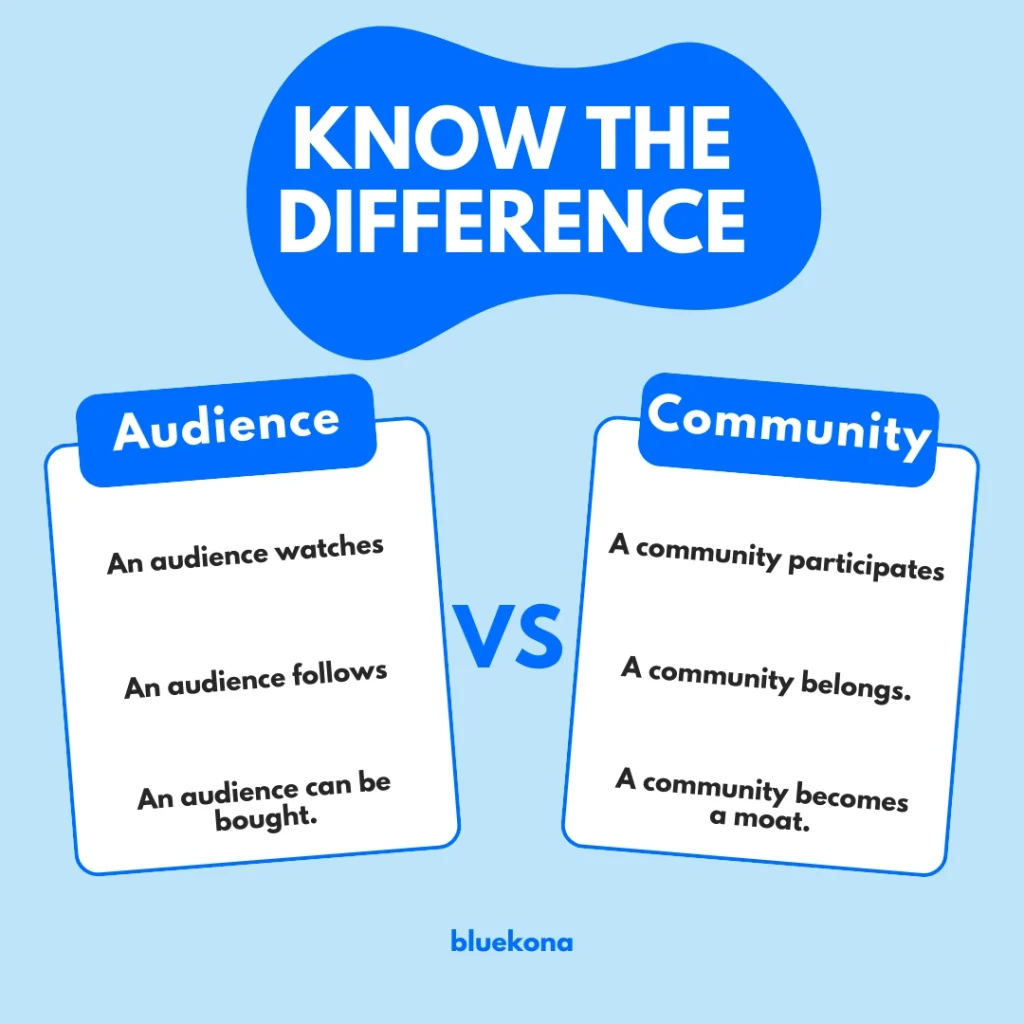
Here’s what separated Gymshark from every other brand trying to copy their success: they didn’t just build an audience—they built a community.
Offline Experiences That Created Online Legends
While “digital-first” brands obsessed over dashboards, Gymshark was doubling down on the real world. The Gymshark Lifting Club wasn’t just a gym—it was a pilgrimage site. Pop-ups weren’t sales activations—they were gatherings of the tribe. And when they took over Venice Beach, the 70M+ impressions weren’t the point—the cultural signal was.
The solopreneur steal: Even if you run a digital business, find ways to meet your community offline. A coffee chat, a local meetup, or an annual event can forge loyalty no algorithm can touch.
Owned Channels: Where Belonging Happens
Gymshark also built moats on platforms they controlled. Their app, blog, and Discord-style communities weren’t just content distribution—they were connection engines. Members shared transformations, tracked workouts, swapped advice, and held each other accountable.
That’s the difference between customers and evangelists. Customers buy your products. Evangelists defend your brand, recruit new members, and stick with you when competitors come knocking.
The solopreneur steal: Stop chasing “followers.” Start facilitating connections. Your job isn’t just to push content—it’s to create spaces where your people can find each other. Products can be copied. Communities can’t.
What Solopreneurs and Marketers Can Learn
Gymshark didn’t stumble into a $1.45B valuation. They built a system—and you can too, even without a billion-dollar budget. Here’s the playbook worth stealing:
- Invest in Content Systems That Compound
Forget chasing the next viral TikTok. Gymshark’s blog pulls 1.5M monthly organic visits and their YouTube series keep attracting new fans because they built assets that pay dividends long after publishing.**
Your move:** Start building your own media engine—SEO, blogs, YouTube. Boring? Maybe. Effective? Absolutely. - Build Creator Relationships, Not Transactions
Gymshark didn’t rent influencers. They partnered with people who lived the lifestyle. By 2023, those authentic voices drove 30%+ of social-driven revenue.
Your move: Don’t buy followers. Find aligned creators—even small ones—who actually believe in what you’re building. - Treat Paid Media Like Gasoline, Not the Engine
Most solopreneurs burn money trying to force mediocre content to work. Gymshark only spent when they knew content resonated—turning sparks into bonfires.
Your move: Prove it works organically first. Then, use paid to amplify—not compensate. - Close the Feedback Loop
Gymshark didn’t guess what content or creators worked. They measured, refined, and doubled down.
Your move: Use tools like bluekonaAI to track performance across channels, spot what drives real engagement, and kill what doesn’t. Guessing is for amateurs—feedback loops are your competitive edge.
The bottom line: Gymshark’s secret wasn’t ads, luck, or hype. It was systems—content, community, creators—that compound. The only question is whether you’re ready to stop winging it and start building your own flywheel.